 Gift Guide



















While giving back is something you do for other people, science tells a much larger, more interesting story. It’s actually a real, research-backed phenomenon that we can actually give to feel good. How helping others boosts your physical and mental health is now well documented, with studies linking generosity to lower stress, improved mood and better long-term health outcomes. You’re not required to give grand gestures or endless volunteering hours to reap the benefits. Even small, intentional acts of support can create meaningful shifts in how we connect.
You Might Also Be Interested In:
-
Why Every Woman Should Have a Will (and When to Start Writing One)
- The Four Pillars of a Woman’s Legacy: How to Create an Impact That Lasts


Why Does Giving Feel Good?
Acts of generosity activate the brain’s reward system, triggering the release of chemicals associated with pleasure, bonding and calm. This is why helping others often comes with an immediate mood lift, sometimes referred to as a “helper’s high.”
Dopamine, a neurotransmitter linked to motivation and reward, plays a key role here. When you do something kind, your brain essentially says, that felt good—let’s remember this. At the same time, oxytocin, often called the “connection hormone,” increases feelings of trust and social bonding while helping to lower stress levels. Together, these chemical responses help explain why giving can feel grounding rather than draining.
How Helping Others Supports Mental Health
Lower Stress and Emotional Overload
Helping others can meaningfully support mental health over time. Studies show that people who engage in acts of generosity experience lower levels of stress, anxiety and depressive symptoms. One reason is that giving helps regulate the body’s stress response, reducing the chronic cortisol spikes that tend to come with prolonged pressure and emotional overload.
A Stronger Sense of Purpose
The act of helping others reinforces a sense of purpose and meaning, which are key protective factors for mental health. When life feels overwhelming or directionless, acts of generosity provide a tangible reminder that your actions have impact, and you’re part of something larger than yourself.
Connection That Protects Mental Health
Connection may be the most underrated benefit of all. Giving often strengthens relationships and creates emotional grounding through shared experience. This can include: volunteering alongside others, supporting a friend, or contributing to your community. Generosity fosters a sense of emotional safety that can be stabilizing during periods of stress or isolation.

How Giving Back Supports Physical Health
Supporting Heart Health and Blood Pressure
Research has linked regular acts of generosity and volunteering to lower blood pressure and reduced cardiovascular risk. When generosity helps regulate the body’s stress response, it also lessens the wear and tear that chronic stress places on the heart. Over time, that calmer baseline can make a meaningful difference for overall cardiovascular health.
Immune Function and Physical Resilience
Giving back has also been associated with a stronger immune response. People who engage in consistent helping behaviors tend to report fewer stress-related illnesses and better overall physical resilience. This may be tied to the same mind-body connection at work — lower stress levels support immune function, making the body better equipped to fight off illness and recover more efficiently.
Long-Term Health and Longevity
Older adults who volunteer consistently often show lower mortality rates compared to those who don’t, even when accounting for factors like baseline health. While generosity isn’t a magic shield against illness, these findings suggest that staying socially engaged and purpose-driven through helping others can contribute to better health outcomes over the long term.
Giving as Emotional and Psychological Resilience
A Reset During Hard Seasons
When life feels uncertain or emotionally charged, generosity offers a way to step outside of rumination. Shifting focus outward, even briefly, can soften feelings of helplessness and restore a sense of agency, which is especially important during periods of grief, burnout, or major life transitions.
Empathy as Emotional Regulation
Acts of helping invite emotional attunement, allowing us to recognize and respond to someone else’s experience. This process can regulate our own emotions by creating perspective: our problems don’t disappear, but they often feel more manageable when placed within a broader human context. In this way, generosity supports emotional balance without requiring forced positivity or avoidance.
Connection Builds Resilience
When we help others, we reinforce relationships and remind ourselves that we’re not navigating life in isolation. That sense of shared experience can be grounding, offering emotional steadiness during times of change or stress. Over time, these moments of connection help build psychological resilience—the ability to adapt and stay emotionally anchored even when circumstances shift.
Realistic Ways to Give Back
The most effective kind of generosity is the kind that fits easily into your real, everyday life.
Give your time: A few hours when you can. This can be helping at a local organization, showing up for a community event or lending a hand when someone needs it. Small commitments still count.
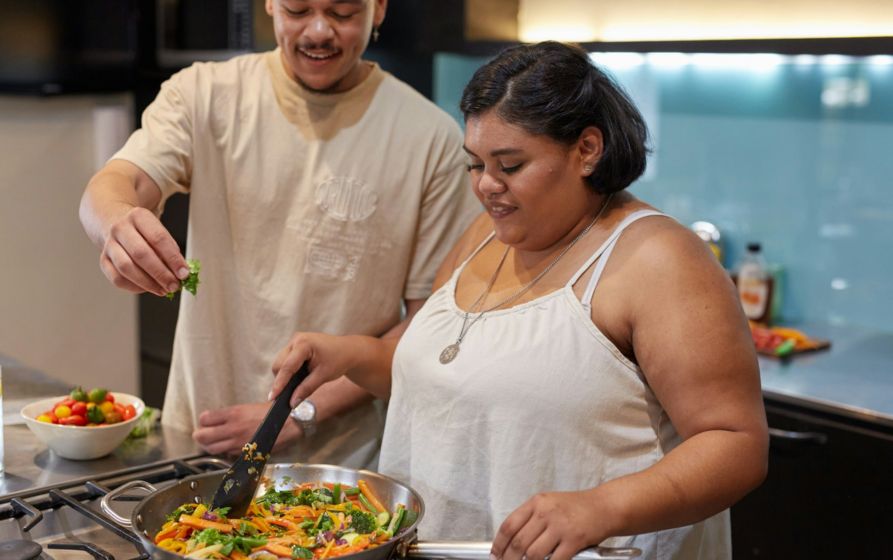
Give your skills: Use what you already know. Writing, organizing, planning, cooking, budgeting—practical skills are often more useful than general volunteer labor.
Give financially: Donating, even in small amounts, can create meaningful impact when funds are directed where they’re needed most. Community‑based organizations help ensure resources support local causes and long‑term change.
Give your presence: Sometimes the most meaningful thing you can offer is attention. Listening, checking in, or simply being there matters more than fixing anything.
Giving Is Good for You and Your Community
When you give in ways that feel sustainable and genuine, you strengthen the same systems that keep communities healthy. No matter how you choose to give back, that generosity will create a ripple effect that benefits everyone involved. Give to feel good, because helping others boosts your physical and mental health more than we often realize.
The Community Foundation of Frederick County connects generous donors with local causes, turning philanthropic goals into meaningful action through grants, scholarships, and community partnerships. With a strategic, thoughtful approach, the foundation transforms generosity into lasting impact and serves as a catalyst for hope, progress, and positive change throughout Frederick County.

Shaylynn Marks
Shaylynn Marks has a BFA in Creative Writing, with poetry and prose published through several journals and sold internationally. She was awarded Runner-Up for Poet of the Year with Poetic Anarchy Press. When she doesn't have a pen in hand, you can find her with a guitar or paintbrush!
Subscribe so you don’t miss a post
Sign up with your email address to receive news and updates!