
























Heart disease isn’t some sort of niche health issue we can afford to ignore. For women’s heart health, one important truth often gets overlooked. Amy Burrier, BSN, RN, Director of Cardiac & Vascular Services at Frederick Health Hospital, sees this gap in awareness firsthand.
“The biggest thing women tend to overlook is that heart disease is the leading cause of death for women within the United States each year compared to all forms of cancer combined,” Burrier said. “This high fatality rate is a result of women frequently underestimating their symptoms as something else.”
This article is sponsored by Frederick Health
You Might Also Be Interested In:
-
The UTI Survival Guide: Prevention, Symptoms & When to Seek Help
- The Self-Breast Exam: An Important How-To
What to Know About Heart Disease
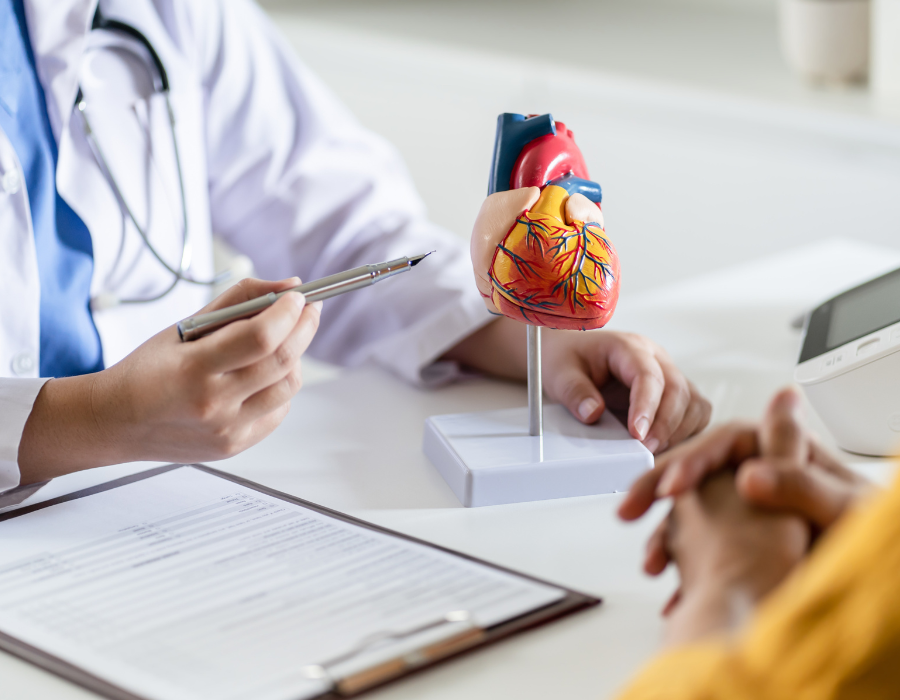
Heart disease is an umbrella term for several conditions that affect the heart. That can include blood vessel disease, irregular heartbeats, congenital heart defects, heart muscle disease, and heart valve disease. It can be so many other things than just a “heart attack” — even if that is where most of our minds tend to go first.
For years, heart disease has been framed as something that happens mostly to men, but women’s heart health deserves just as much attention. The Centers for Disease Control and Prevention notes that heart disease can affect women at any age, and high blood pressure is a major risk factor. Other risk factors can include high cholesterol, diabetes, smoking, physical inactivity, family history, and other health conditions.
In other words, this goes beyond what happens in an emergency room. It’s important that women put intention behind understanding how heart disease can show up in their own lives, recognizing symptoms that might feel subtle or unfamiliar, and trusting themselves enough to take those signals seriously and get care when something feels off.
What Heart Attack Symptoms Look Like for Women
Chest pain is still the most common heart attack symptom for women, but it’s not always the only symptom. And it may not always feel like the dramatic, “clutching-my –chest” cinematic moment many people expect.
“A heart attack is often associated with crushing chest pain,” Burrier said. “Although women frequently experience chest discomfort, they often have additional symptoms that include fatigue, nausea, vomiting, shortness of breath, pain in their jaw, neck, back or shoulder. They often brush this off as being tired, stressed, or something they ate.”
Unfortunately, your body doesn’t always send clear signals when something is wrong. Symptoms can show up as fatigue, indigestion, anxiety, or a vague ache that’s easy to dismiss. That doesn’t mean you need to panic, but it does mean paying attention when something feels off for you.

Self-Advocate and Ask Questions
A few clear questions can help you get better information and make the conversation feel less overwhelming.
- What is my blood pressure, and is it in a healthy range?
- What are my cholesterol numbers, and what do they mean?
- Should I be screened for diabetes or insulin resistance?
- Does my family history increase my risk for heart disease?
- Could my health history (including pregnancy complications, menopause, PCOS, or hormonal changes) affect my heart health?
- Are my symptoms something I should watch, track, or follow up on?
- When is it time for me to see a cardiologist?
- What lifestyle changes would make the biggest difference for me?
- When should I seek emergency care instead of waiting for symptoms to pass?
Women’s Heart Health: Start With What You Can Actually Do
You don’t have to flip your entire life upside-down overnight to take your heart health seriously. No one expects you to toss everything in your kitchen or start waking up before sunrise for HIIT workouts.
Burrier recommends starting small.
“One simple habit is to commit to moving your body daily,” she said. “Thirty minutes of physical exercise daily can make a huge difference.”
That can look different for everyone. A walk around the neighborhood counts. Taking the stairs instead of the elevator counts. A beginner workout video in your living room counts. Dancing in your kitchen definitely counts. The American Heart Association recommends adults aim for at least 150 minutes of moderate-intensity aerobic activity per week or 75 minutes of vigorous activity, preferably spread throughout the week. Perfection isn’t the point here—just keep being consistent, even on the messy days.
Know Your Numbers
Ask your healthcare provider about the basics: your blood pressure, cholesterol, blood sugar, family history, and any personal risk factors that may need closer attention. It gives you and your healthcare provider a clearer picture of your risk.
Women should also talk with their providers about pregnancy-related complications, menopause, and other reproductive health factors, since the National Heart, Lung, and Blood Institute advises these can be connected to heart disease risk.
The goal is to have enough information to advocate for yourself and understand what your body may be trying to tell you.
Don’t Wait it Out
If there is one takeaway Burrier wants women to remember, it’s this:
“If something doesn’t feel right, seek medical attention immediately,” she said. “Time is heart muscle!”
Waiting to see if symptoms pass can delay care, and when it comes to a possible heart attack, fast treatment can make a difference.
So yes, keep living your life. Go to brunch. Run the meeting. Pick up the kids. Finish the errand. Answer the email. But do not put yourself last so often that you ignore the warning signs your body is giving you.
Women’s heart health comes down to staying aware, asking questions, and recognizing that being “busy” is not a diagnosis, and being “tired” doesn’t always explain everything.
Your heart is doing a lot for you. It’s more than fair to return the favor!
Frederick Health is a nonprofit healthcare system dedicated to improving the wellbeing of every individual in the community. For more than a century, Frederick Health has provided compassionate, high-quality care through an extensive network that includes Frederick Health Hospital, specialty and primary care practices, cancer services, rehabilitation, home care, hospice, and urgent care. Combining advanced medical innovation with a deep commitment to community health, Frederick Health serves patients at every stage of life while continually investing in programs, facilities, and services that help Frederick County thrive.

Shaylynn Marks
Shaylynn Marks has a BFA in Creative Writing, with poetry and prose published through several journals and sold internationally. She was awarded Runner-Up for Poet of the Year with Poetic Anarchy Press. When she doesn't have a pen in hand, you can find her with a guitar or paintbrush!
Subscribe so you don’t miss a post
Sign up with your email address to receive news and updates!