



















What Is Forest Bathing? And Where Can I Do It?

What is forest bathing?

Everyone knows that being in nature is good for us. In fact, having a connection with nature has been an important part of cultures across the world throughout history. Research tells us what we know intuitively: spending time in nature can reduce stress, boost immunity, and improve our moods. The practice of forest bathing is about purposefully tapping into that restorative energy and goodness.

You Might Also Be Interested In:

women health wellness

What is forest bathing?

What Is Forest Bathing?

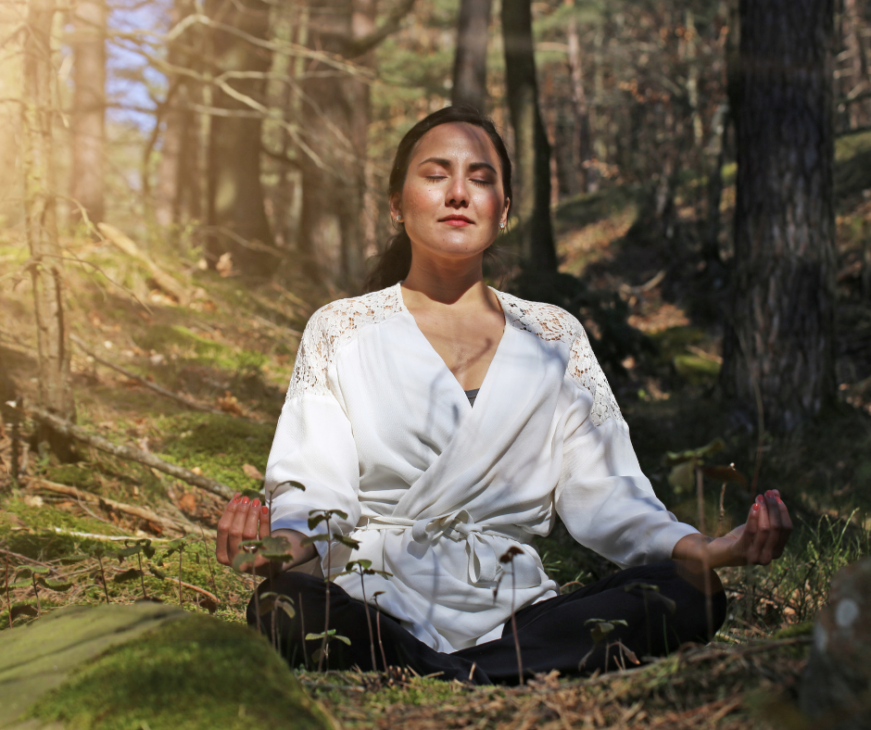
Forest bathing is the practice of spending intentional, mindful time in a forest or natural setting. The goal is not physical exertion, but sensory immersion. Participants are encouraged to move slowly, breathe deeply, and observe their surroundings without distraction.

This practice originated in Japan in the 1980s as part of a public health initiative and has since been studied extensively for its physical and psychological health benefits.

Common forest bathing activities include:

  • Slow, mindful walking in nature
  • Sitting quietly and observing the environment
  • Engaging the senses (smell, sound, sight, touch)
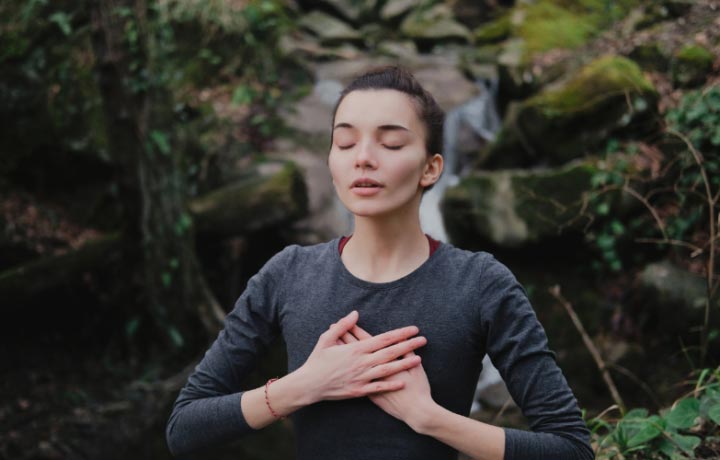
  • Deep breathing exercises outdoors
  • Disconnecting from digital devices

Proven Benefits of Forest Bathing

1. Stress Reduction and Nervous System Regulation

One of the most well-documented benefits of forest bathing is its ability to reduce stress. Time in nature has been shown to lower cortisol levels, helping the body shift from a stressed “fight or flight” state into a calmer parasympathetic state.

This makes forest bathing a powerful tool for managing daily stress, burnout, and mental fatigue.

2. Improved Mental Health and Emotional Wellbeing

Regular exposure to natural environments has been linked to reduced symptoms of anxiety and depression. Forest bathing encourages mindfulness and presence, which can help quiet intrusive thoughts and promote emotional balance.

Many people report feeling more grounded, calm, and emotionally regulated after spending time in nature.

3. Enhanced Immune System Function

Trees release natural airborne compounds called phytoncides. When inhaled during forest bathing, these compounds may help increase the activity of natural killer (NK) cells, which play a key role in immune defense.

This connection between nature exposure and immune function is one reason forest bathing is considered a preventive wellness practice.

4. Lower Blood Pressure and Improved Heart Health

Spending time in forest environments has been associated with lower blood pressure and reduced heart rate. This supports overall cardiovascular health and contributes to long-term wellness benefits.

5. Increased Focus, Creativity, and Cognitive Clarity

Forest bathing can help reduce mental overload caused by constant digital stimulation. By allowing the brain to rest and reset, time in nature improves focus, attention span, and creative thinking.

Many people use forest bathing as a way to overcome burnout or creative blocks.

6. Better Sleep Quality

Because forest bathing helps regulate stress and calm the nervous system, it can also support deeper, more restful sleep. Spending time outdoors—especially in natural light—helps regulate circadian rhythms, which influence sleep patterns.

7. Mindfulness and Emotional Presence

Forest bathing naturally encourages mindfulness by slowing down attention and increasing sensory awareness. This can help individuals feel more connected to the present moment and less distracted by daily stressors.

Why Forest Bathing Matters in Modern Wellness

In a world dominated by screens, schedules, and constant stimulation, forest bathing offers a simple return to balance. It requires no equipment, no training, and no performance goals—just presence.

This accessibility is one of the reasons forest bathing is becoming a key trend in wellness tourism, corporate wellness programs, and holistic health practices.

How to Practice Forest Bathing

To begin forest bathing, you don’t need a remote forest—any natural space can work, including parks or wooded trails.

Start with:

  • Turning off your phone or setting it to silent
  • Walking slowly without a destination
  • Pausing frequently to observe your surroundings
  • Breathing deeply through your nose
  • Engaging all five senses intentionally

Even 20–30 minutes can create noticeable benefits.

summer beauty guide
Holly Christy
Holly Christy

Holly Christy is a local small business owner, wife of 20+ years, mother to tweens, and an entrepreneur. She holds an MBA, and uses her talents for writing, event planning, and making connections to grow her own business as well as those of her clients.

Subscribe so you don’t miss a post
Sign up with your email address to receive news and updates!

Leave a Reply

Your email address will not be published. Required fields are marked *