




















Let’s face it, no matter what age you are, it can be difficult to understand each generation.
Whether you are younger and wondering why your older colleague works a specific type of way or you are leading a team of younger, newly graduated employees and not sure how to engage with them effectively.
Did you know, that Millennials and Gen X make up almost 75% of the workforce as of 2020 per Purdue Global? Gen Z is continuously growing to outpace the over 18% of Baby Boomers currently in the workforce–but planning to retire. 1 That’s a lot of differing experiences and opinions!
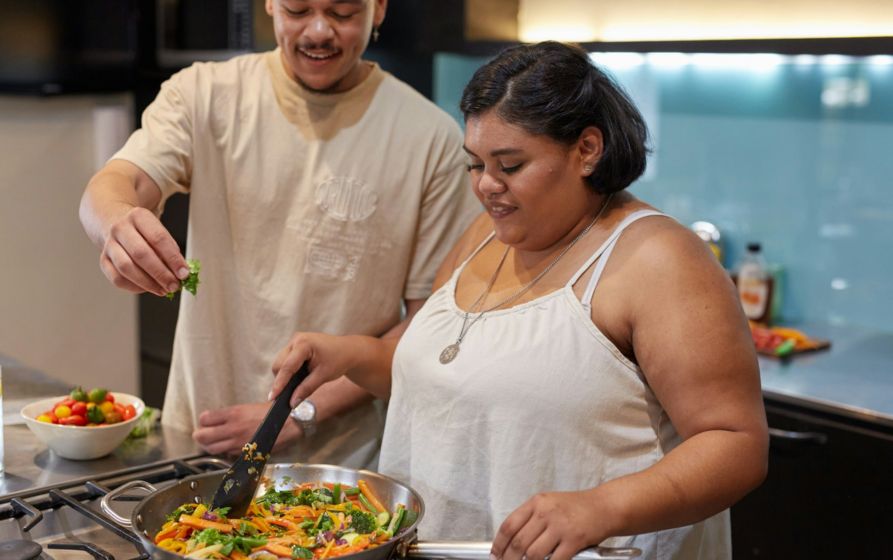
This is the reality of all types of work cultures: in-person 9-5’s, hybrid, or completely remote will all have moments where different generations will mix.
Instead of looking at differences as a negative, what if we looked at the intergenerational workplace as a way to learn how to work with, manage, and ultimately lead different generations?
You Might Also Be Interested In:

First Off, Who Is In The (In-Person or Virtual) Room?
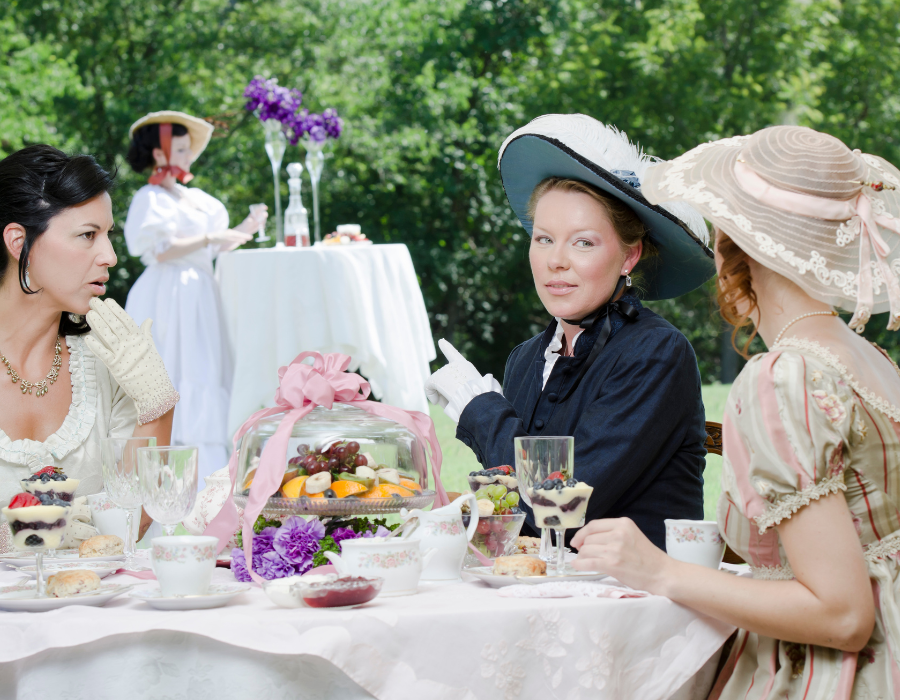
The great debate on what age group fits into each generation can go on forever, so let’s get the dates down. The general rule of thumb for each major age group in the workforce is: Baby Boomers (1946-1964), Gen X (1965-1980, Millennials (1981-1996), and Gen Z (1997-2010). Shoutout to the Silent Generation workers who are still in the workforce! 2
With more than 60 years between some people in any workforce, there are bound to be differing ways to work, learn, and engage.
Understanding How Each Generation Views Their Career
Every person views their job differently. For some, it’s their purpose. For others, it’s just a paycheck to fund their lifestyle (vacations in Italy? Yes please!).
When managing or collaborating, it helps to consider how each age group connects their job to their identity. This can offer insight into workplace friction.
Baby Boomers often see their job as a reflection of their worth. After years of hard work and climbing the ladder, their role holds serious weight. Respect and loyalty to the company matter.
Gen Z, on the other hand, sees a job as experience. They’re not attaching their self-worth to it—at least not yet. For them, it’s one stop on a much longer journey.
You can see how this creates tension. A Baby Boomer may not understand why their Gen Z colleague isn’t focused on moving up. Meanwhile, Gen Z is already planning their next career move.
Let’s make the comparisons even closer in age.
Gen X and Millennials are next-door neighbors in age, but their loyalties at work vary greatly.
Millennials tend to lean toward their coworkers. That’s where their allegiance lies. If coworkers are bothered by something or have an idea to share, Millennials focus on what the team thinks—not just one person.
Gen X, though close in age, had a different upbringing. They were given more autonomy but still had to follow rules. Think “latchkey kids” — be back when the street lights come on, anyone? Because of that, Gen X tends to be more loyal to their manager. They’re more likely to follow the lead of the person above them.
Managing both groups can be tricky. Their trust falls in very different places.
It’s wise to balance being a strong leader and a supportive manager. Make sure the team feels heard. Include everyone in regular meetings. Avoid relying on one voice to make all the calls.

Effective Dialogues To Use In Intergenerational Work Forces
So, you are starting to see how different generations intermingle with each other–and your head might be spinning. No matter where the age bracket you are, if you are managing or collaborating with a team, you might want to understand how styles with authorities may play into a discussion.
Baby Boomers may challenge you based on their experience, Gen X and Millennials may be similar in age to you and will respect and listen and try to add in any ways to innovate a project, while Gen Z is more eager to ask questions, learn, and take this knowledge with them on their next career journey. So, how to effectively take on a team? Here’s a suggestion:
When managing a diverse team, approach the scenario from an all-ears standpoint and be open to feedback.
“So, we are going to begin working on this new project in Q2 and it will be like…and I want…to take on this part of the project and work with…to create new processes for a better ROI.”
Your Baby Boomer cohort might question “why” the need for new processes so be ready to explain the purpose, provide details, and also showcase that you see their standpoint and how it can be incorporated. Gen X and Millennials may be more focused on their personal contributions being noticed and getting the task done. Gen Z will be asking questions on the how and why, and learning the ins and outs of the project as they are building their career.
Knowing how to leverage each generation’s strengths is key. Lean into Baby Boomers to effectively finish tasks and ask how processes have been done historically to provide perspective. Gather ideas and formulate contributions from Gen X and Millennials who now have years of experience under their belts, and have Gen Z give the most on-the-ground and updated approach to how to effectively engage the core customers in the current market.
Creating Intergenerational Work Relationships: The Best Practices
It isn’t always easy but having a multigenerational workforce is a way to learn from each other, hear stories from different ages, and break stigmas about different age groups. As a leader, some suggestions on how to do this are:
1) Actively listen-don’t just listen to reply in any meeting setting.
2) Have open communication in all forms (email, phone calls, messaging, and/or Zoom) for all ages to engage based on their preference for quick messages to one-on-one discussions.
3) Regularly check in on progress and feedback. Being open to this will showcase both your authority but also that you are not simply a challenge in the way of others’ ideas. Expect the same from your team.
4) Focus on skills, not age, when it comes to teams to place people where they are comfortable and best suited for the task.
5) Understand you will not always be able to please the whole team but incorporating an open line of communication lets your team know you are considering all experiences.

Let’s Ask The Audience: Your Leadership Experiences
“My best practices as a leader, especially being a millennial, to a multi-generational company is empathy and flexibility. People want to feel heard and equality isn’t possible. Equity needs to be at the true core of flexibility and empathy. Everyone’s needs are different and life happens.” – Natty C.
“My older team members have been through so many different leaders over the years that it took a few months to build strong and trusting relationships with them. With the younger generations, trust seems to come a little easier especially if they are new to an established team. I make sure my team knows that I am there to work alongside them and will always have their back.” – Britania S.
“As an HR professional, I probably have a unique opinion but ultimately understanding and leveraging the diverse perspectives and work styles of different generations in the workplace is key to fostering a culture of collaboration and innovation. I firmly believe what each generation desires in the workplace is more similar than different, however, their approach to how the work gets done is often different. It is important to recognize and appreciate the unique approaches they each bring to getting the work done.” – Bethany L.
“In my current role, understanding the distinct communication preferences of each generation is essential for effective collaboration. Baby Boomers value detailed explanations and one-on-one interactions, while millennials and Gen Z thrive on quick, concise digital communication.” Karma H.
Let this entire discussion be a reminder to embrace differences in work experience and lead with innovation, not assumptions.

Katy Cawley
Katy is an entrepreneur, a social media know it all, and a lover of all the vintage things. She started Katy's Flower Wagon in 2020, having recently sold that business to pursue other creative endeavors. She has been working with Sass Magazine as well as local businesses as a social media manager. You can catch her around town snapping pictures, collaborating with local businesses, and working on all things Sass!
Fun facts -
1. She went to University of Maryland
2. She has a dog sidekick named Stitch
3. She shares a birthday with Julie Andrew's
4. You should follower her @adventuresinkatyland
Subscribe so you don’t miss a post
Sign up with your email address to receive news and updates!